The Catfish Angler’s Guide to Autumn Transition – Part 1
As the leaves start to turn soon and water temperatures begin their gradual descent, autumn presents a golden opportunity to reflect and take notes from the past few months. This isn’t just a seasonal change – it’s a complete shift in approach, understanding, and strategy.
Understanding Autumn’s Behavioral Shift
Autumn is nature’s preparation phase. Catfish instinctively know winter is coming, and their feeding patterns reflect this urgency. Water temperatures dropping from summer highs trigger a fascinating transformation in their behaviour.
The aggressive summer feeding continues, but not for long. Just as our UK weather changes, so will the behaviour of Catfish. Soon they will become less scattered and more concentrated in specific areas. They’re building energy reserves, becoming more calculated in their movements and feeding habits will change considerably. The Autumn phase of catfishing switches off just as fast as the spring phase switches on.
The Role of Bottom Baits
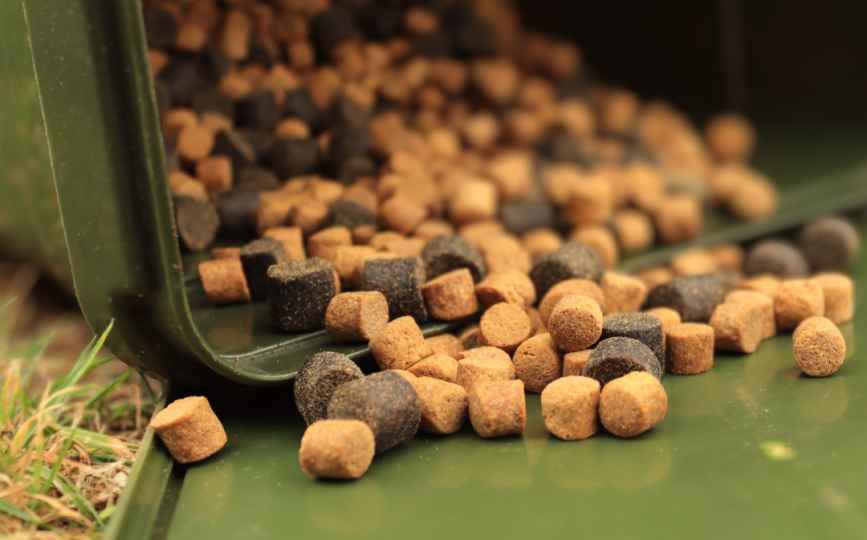
Bottom baits become your secret weapon during these transitional months. Unlike spring’s explosive feeding, autumn demands a more calculated approach.
To sit and eat pellet and boilie will store energy for the winter months ahead. To attack and hunt down prey will consume the energy reserves stored. That’s not saying catfish won’t hunt for a presented live bait – That’s saying bottom baits are an easier option to eat with less energy consumed.
Tip: Scalding Your Pellets. If you’re worried about breakdown time and attraction in cold water, scald your pellets. This technique can:
- Speed up attraction by five to six hours
- Create an instant feeding trigger for catfish
- Make your bait presentation look like it’s been in the water for ages and less dangerous.
How to Scald Pellets: A Step-by-Step Guide
1. Get a bucket with a lid
- Essential for heat retention and controlled breakdown
2. Add your pellets
- Put enough pellets in that will cover you for the amount of time needed
- You don’t need to be making a session’s worth
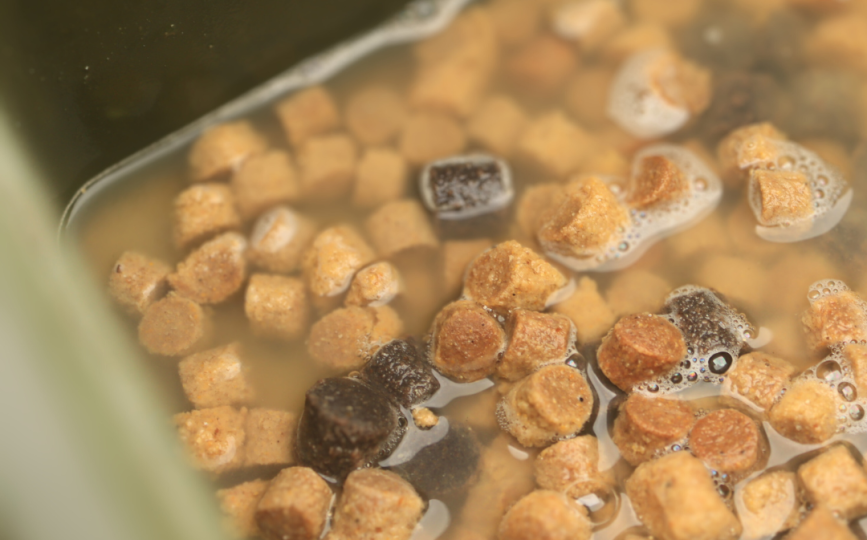
3. Boil water and cover pellets
- Ideally use lake water
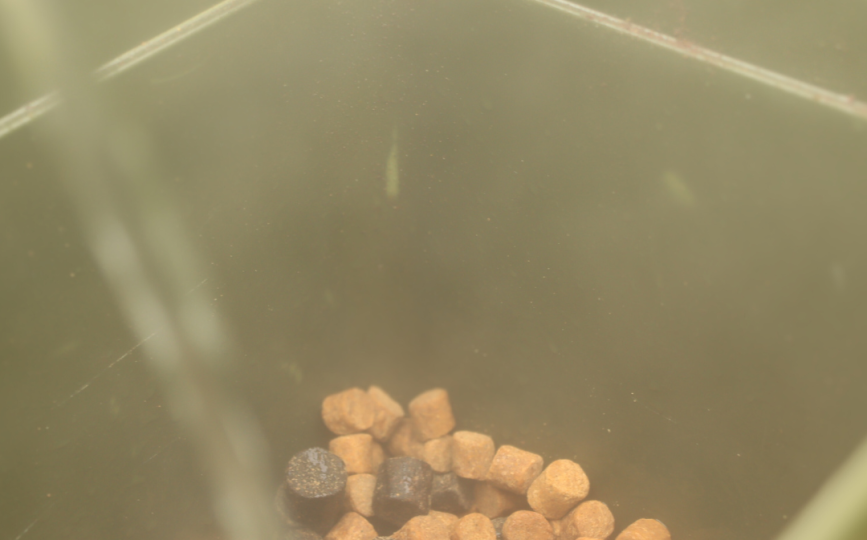
- Cover your pellets until the water is just on the top and you can see a few pellets breaking through the surface of the water
4. Stir and insulate
- Once you’ve poured it in, stir the pellets around
- Make sure they’re all coated and that the water’s got everywhere
- Place the lid back on
- Put your bucket on top of your unhooking mat or a jumper to ensure the bottom doesn’t get too cold too quickly
Systematic Pellet Breakdown and Attraction Strategy
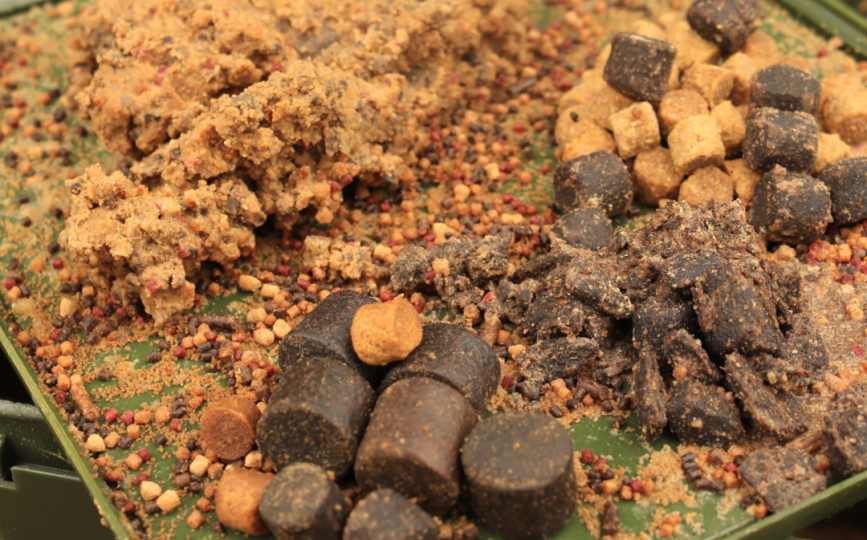
Depending on how long you leave the pellets, they will break down to different degrees. I personally create my attraction levels differently by developing a systematic approach to scalded pellets.
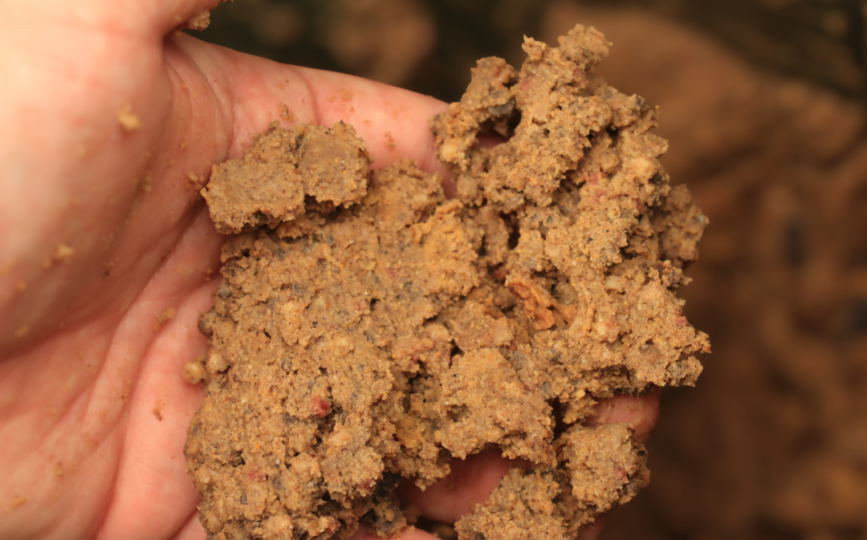
The first batch of pellets I prepare is extremely stodgy. This creates an initial, intense attraction point with no food items. For the next batch, I reduce the breakdown slightly. The subsequent batches become progressively less broken down. This methodical approach serves a specific purpose.
Every time I’m putting bait out, I’m creating an instant attraction without heavily feeding the fish. As the catfish become more present and I can detect their activity, I’ll introduce a slightly less broken down pellet. This technique keeps the catfish in position, continuously moving around because of the scent.
When they eventually find the very small, highly broken down pellets I’ve strategically added, it creates a competitive environment. The fish become more aggressive, triggered to eat by the progressive baiting approach. It’s almost like creating a feeding hierarchy where the least broken down pellets become the most desirable target.
Simultaneously, I’m mindful of my hook bait presentation. While a fresh hook bait will work, an almost washed-out bait will look more appealing with a small PVA mesh bag of micro pellets. This subtle difference gives me more confidence in my presentation, and confidence is key.
Mindset of an Autumn Angler
Your success this Autumn will depend on several adaptions.
In the next part of our series, we’ll dive deeper into location strategies and how to read the water during this critical transition period.
IN THE SHADOWS WE THRIVE
CAT-TEX FISHING